

Otto
11 productsProfessional shears, combs and razors — engineered by ProHair
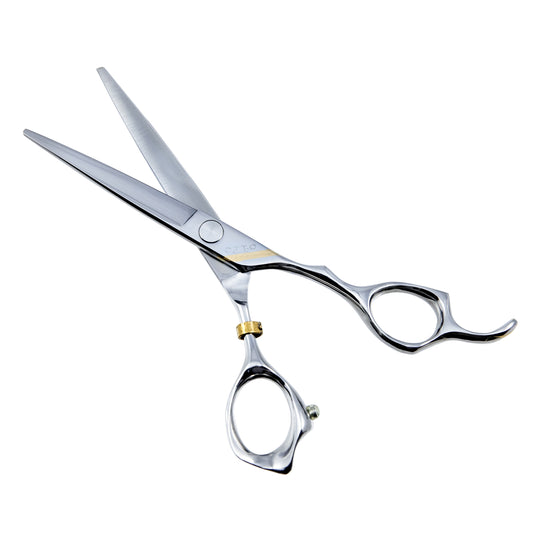
The cutting range is built in Japanese 440C stainless steel: a high-carbon, high-chromium grade that hardens to roughly 58–60 HRC, holds a convex edge through months of professional use and resists the colour, bleach and perm chemistry a salon blade meets every day. The 6-inch professional shear uses extreme hollow ground convex blades — the geometry that makes true slice cutting possible — on a 3D-offset handle with an ergonomically angled thumb hole, because the handle is what decides whether your thumb joint still works in ten years.
Alongside the shears sit seven carbon-fibre combs — cutting, barber, pin tail, flat-top clipper, lift and all-purpose — that are anti-static, heat resistant and light enough to work with all day, plus a guarded haircutting razor for feathering and lived-in texture. Everything is priced in Canadian dollars with current stock shown on the product page. The six expert guides below explain how to choose between them.
Shop Otto by Range

Cutting Shears
The OTTO 6" Professional Shear in Japanese 440C steel — extreme hollow ground convex blades for slice and point cutting, on a 3D-offset handle with an ergonomically angled thumb hole.
Shop cutting shears
Texturizing & Thinning Shears
One toothed blade, one straight blade — blend transitions and remove controlled weight without the blunt result of a cutting shear. Offset handle, adjustable tension, removable finger rest.
Shop thinning shears
Matched Shear Sets
One cutting shear and one thinning shear, both 6-inch, both Japanese 440C, built to feel consistent in the hand. The complete cutting station in a single purchase.
Shop shear sets


Carbon-Fibre Combs
Seven professional combs — cutting, barber, pin tail, flat-top clipper, lift and all-purpose. Anti-static, heat resistant and light enough to work with all day.
Shop all combs
Haircutting Razors
A guarded razor edge for feathering ends, softening lines and building lived-in texture. Finger ring for control, compact enough to live in the apron.
Shop razorsWhich Otto Products Are Right for You?
Foundational cutting
Best for: Blunt lines, graduation, layering and scissor-over-comb
Start with the 6-inch professional shear. Six inches is the deliberate middle of the range — long enough for comb work, short enough to detail with, and the length that suits the widest band of hand sizes.
Slice and dry detail work
Best for: Point cutting, slide cutting and soft dry texture
This needs a convex edge, not a serrated bevelled one. The extreme hollow ground convex blade lets hair travel along the blade instead of gripping it, which is the whole mechanism behind slice cutting.
Blending and weight removal
Best for: Softening transitions, de-bulking dense hair, refining a line
A thinning shear removes at a set depth with a repeatable result. Stay 2.5–5 cm off the scalp, work dry where you can, and take one pass before you look.
Soft, lived-in texture
Best for: Feathering ends, undone finishes, movement through mid-lengths
A razor tapers the hair shaft rather than cutting it square, so the result is softer than any shear can produce. Use on damp hair with a fresh blade; go carefully on coarse or curly hair.
Sectioning, parting and colour work
Best for: Foils, balayage, updos, braiding and precise partings
The pin tail comb's slim metal tail places sections cleanly; the dual-tooth styling and all-purpose combs handle distribution and smoothing between steps.
Short-hair shaping and clipper work
Best for: Flat tops, tapers, fades and clipper-over-comb
A long working edge gives a consistent guide for clipper- and scissor-over-comb. The flat-top and barber combs are built for that job; the lift comb handles root volume and textured hair.
Tool care and longevity
Best for: Protecting a 440C edge and an adjustable pivot
Wipe after every client, clean and oil the pivot at the end of every day, drop-test the tension weekly, and only ever let a convex specialist sharpen a convex edge.
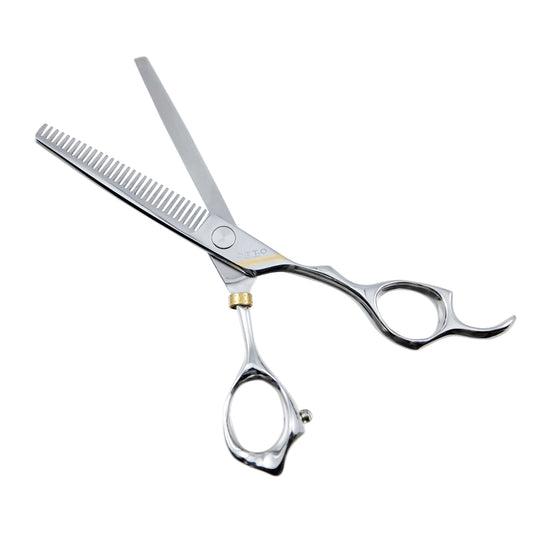
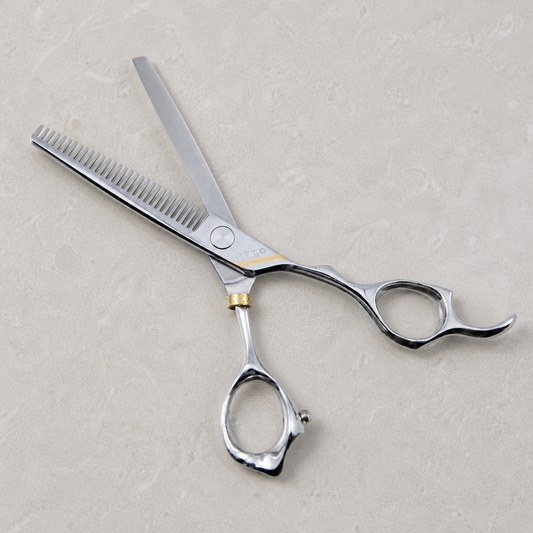
Otto 6-inch Texturizing & Thinning Shears – Japanese 440C Steel
- Regular price
- $99.99
- Regular price
-
- Sale price
- $99.99
- Unit price
- per
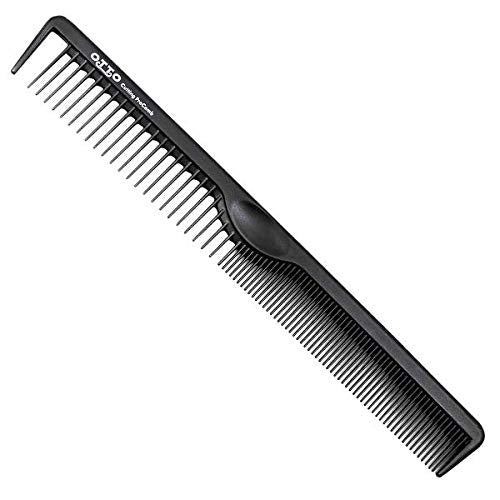
Otto 8.5-inch Cutting Comb – Anti-Static Carbon Fibre
- Regular price
- $7.99
- Regular price
-
- Sale price
- $7.99
- Unit price
- per
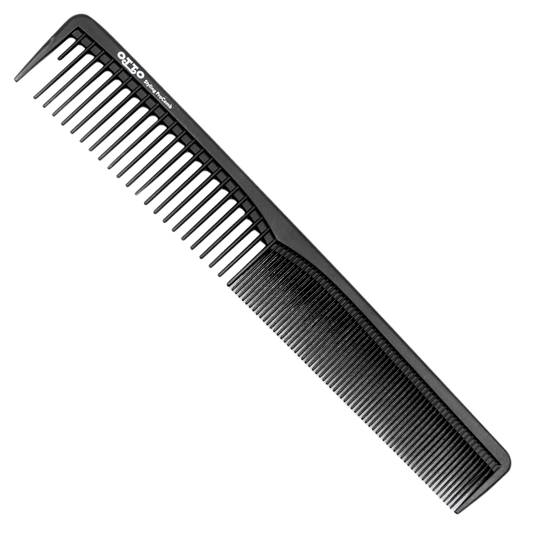
Otto 7-inch Styling Comb – Dual-Tooth Carbon Fibre
- Regular price
- $5.99
- Regular price
-
- Sale price
- $5.99
- Unit price
- per
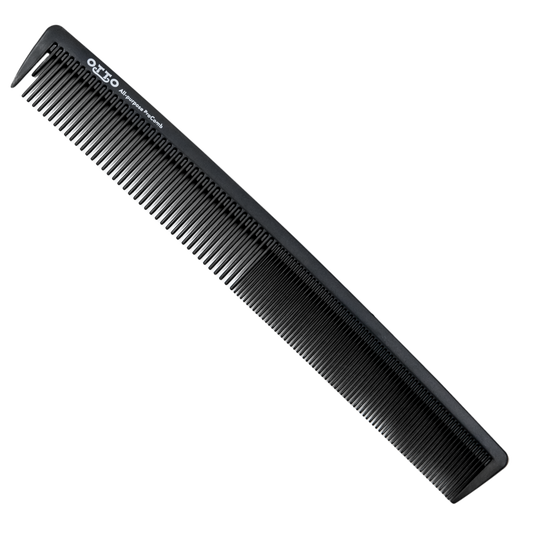
Otto 8.5-inch All-Purpose Comb – Dual-Tooth Carbon Fibre
- Regular price
- $6.99
- Regular price
-
- Sale price
- $6.99
- Unit price
- per
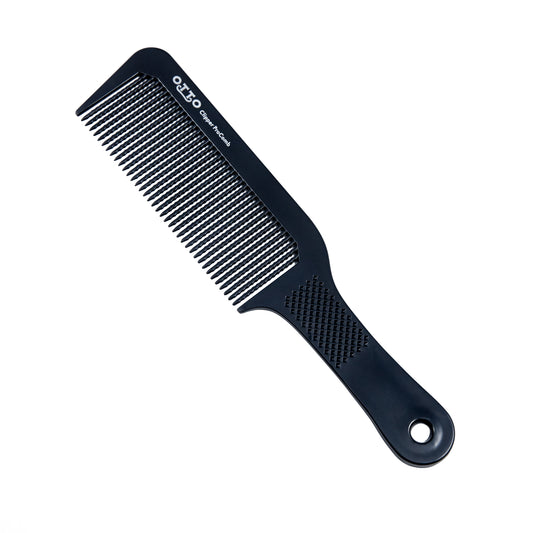
Otto 9.5-inch Flat Top Clipper Comb – Anti-Static Carbon Fibre
- Regular price
- $9.99
- Regular price
-
- Sale price
- $9.99
- Unit price
- per
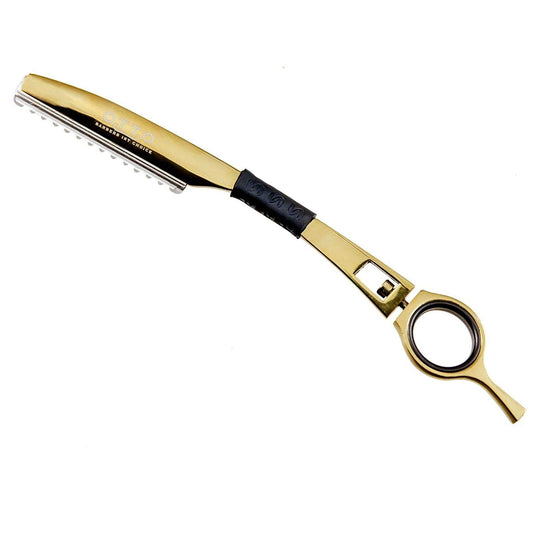
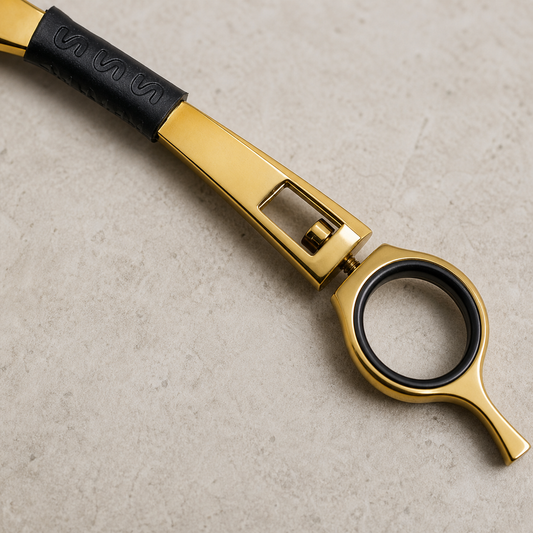
Otto Gold Haircutting Razor – Guarded Texturizing Tool
- Regular price
- $14.99
- Regular price
-
- Sale price
- $14.99
- Unit price
- per
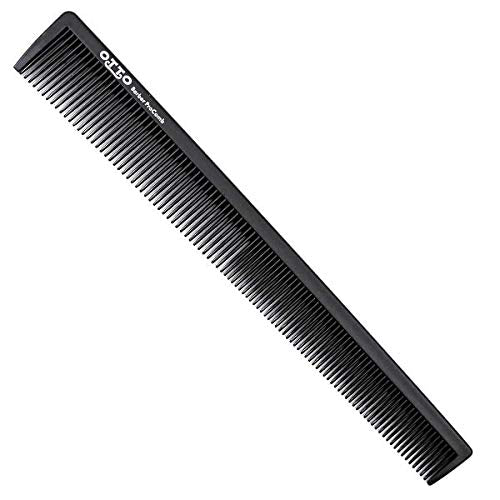
Otto 9-inch Barber Comb – Heat-Resistant Carbon Fibre
- Regular price
- $9.99
- Regular price
-
- Sale price
- $9.99
- Unit price
- per
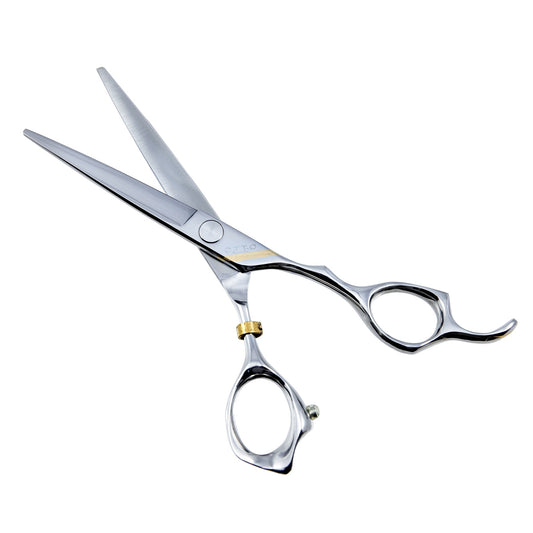
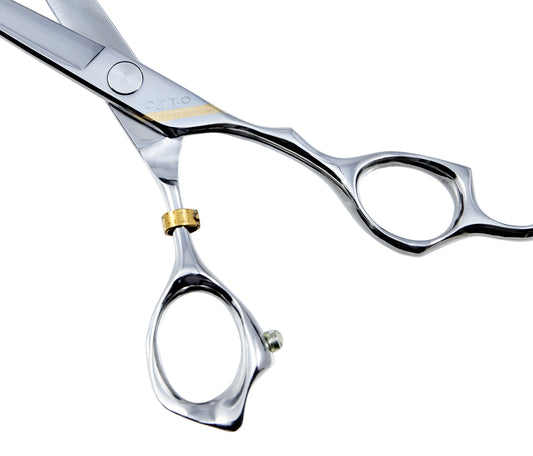
Otto 6-inch Professional Haircutting Shears – Japanese 440C Steel
- Regular price
- $96.00
- Regular price
-
- Sale price
- $96.00
- Unit price
- per
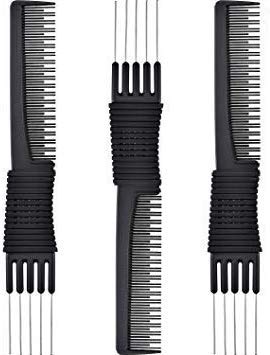
Otto 7.5-inch Five-Prong Lift Comb – Carbon Fibre & Metal
- Regular price
- $7.99
- Regular price
-
- Sale price
- $7.99
- Unit price
- per
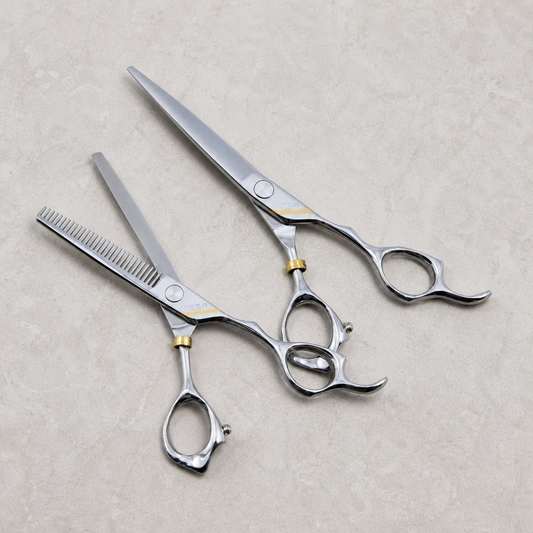
Otto 6-inch Haircutting & Thinning Shear Set – Japanese 440C Steel
- Regular price
- $176.39
- Regular price
-
- Sale price
- $176.39
- Unit price
- per
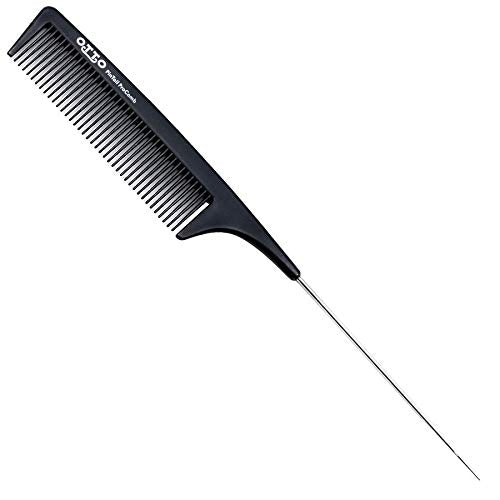
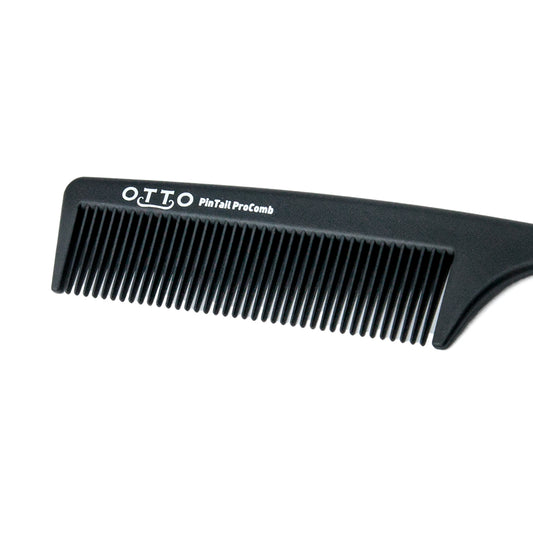
Otto 9-inch Pin Tail Comb – Carbon Fibre with Metal Tail
- Regular price
- $9.99
- Regular price
-
- Sale price
- $9.99
- Unit price
- per
Otto Expert Guides
Choose the right line, compare shades and formats, and build a routine that works — with practical guides written for the range we currently stock.
How to Choose Shear Length
Size a shear to your hand and your cutting style — the palm test, and how barbering, detail work and hair density move the number.
Read the Guide Know the materialWhat Japanese 440C Steel Actually Means
What the grade is, what it changes about how a shear cuts, and how it compares to 420, VG-10 and powder-metallurgy steels.
Read the Guide Blade geometryConvex, Hollow-Ground Blades & Slice Cutting
Why blade geometry decides which techniques a shear can perform — and why slice cutting only works on a convex edge.
Read the Guide Ergonomics3D-Offset, Crane & Opposing Handles
How handle geometry decides whether your hand survives the day, plus tension, finger rests and ring fit.
Read the Guide MaintenanceShear Care, Oiling & Sharpening
The ninety-second daily routine, how to oil a pivot properly, and how to tell when a shear genuinely needs sharpening.
Read the Guide Texture toolsChoosing a Thinning Shear by Tooth Count
How tooth count decides removal and finish, how thinning shears differ from chunkers, and when to reach for a razor instead.
Read the Guide


Frequently Asked Questions
What is Otto, and who makes it?
What does 'Japanese 440C steel' actually mean?
What is the difference between convex and bevelled blades, and does it matter?
What does 'extreme hollow ground' mean?
What does a 3D-offset handle do that a normal handle does not?
What shear length should I buy?
How many teeth does the Otto thinning shear have?
Is the shear set better value than buying separately?
How do I look after a professional shear?
How often should shears be sharpened, and who should do it?
Why carbon fibre for the combs rather than plastic?
Which Otto comb should I start with?
Why Buy From ProHair?
ProHair has supplied Canadian salons and barbershops since 1996. Everything here is priced in Canadian dollars with current stock shown on the product page, and free shipping applies on orders over $99.99.
Open the exact product page before you buy — the steel grade, blade geometry, handle type, size and current price are all stated there, and the product page is always the authority over anything written on this page.